Turn broad requests into a path.
Break product briefs, research questions and code tasks into concrete next steps without hiding the original goal.
Kimi K3 workspace
Kimi K3 opens into a calm AI workspace for reading, reasoning and execution. If you arrived by looking for Kimi 3 or a Kimi AI workspace, this page gives you a hands-on way to judge the workflow instead of reading another detached feature list. Each panel below pairs the claim with marked visual evidence: what goes in, what changes, and what is safe to hand off.
Break product briefs, research questions and code tasks into concrete next steps without hiding the original goal.
Use deep research prompts when a decision needs sources, assumptions, open questions and follow-up checks kept apart.
Move from the same context into a memo, table, code review, slide outline or website plan instead of rewriting the request.
Before you try it
Use this table to decide whether the workspace fits the task before moving into pricing, deployment or API setup.
| Question | Short answer | Boundary to check | Next page |
|---|---|---|---|
| What is Kimi K3? | An independent Kimi-style AI workspace for long-context chat, agent planning, deep research, documents, code and website work. | Best when a task has messy input and a reusable output. | Docs |
| Does Kimi K3 copy the official Kimi product? | No. k3nova.com uses an original interface and its own implementation. | It does not copy official private source code, account flows or protected assets. | K3Nova source |
| Can I deploy Kimi 3 locally? | Yes, for development and self-hosted testing with a server-side model backend. | Production calls need valid protected credentials configured on the server. | Local deployment |
| Which work fits the workspace? | Planning, research, code review, document drafting, slides, sheets and site work. | Short casual answers may not need a full workspace. | Use cases |
| What should a first trial test? | Use one real constraint, one preferred format and one follow-up question. | Check whether names, dates, requirements and tradeoffs stay stable. | Review guide |
| Where are access limits explained? | Plan access, allowances and checkout details live on the pricing page. | Protected model use depends on account access and configured services. | Pricing |
Use Kimi K3 when notes, code, tables, screenshots and follow-ups must stay connected while the answer takes shape. It fits specs, support notes and migration tasks that need more than one pass.

Use deep research when unknowns matter. It helps teams compare sources, preserve uncertainty and ask the next useful question before strategy calls, vendor comparisons or launches.

Turn the same brief into an executive summary, code review, slide outline or website plan. Kimi K3 keeps the task close to the output so teams do not translate the request repeatedly.

Keep screenshots, notes, markdown, code snippets and small tables near the prompt. Attachments stay part of the conversation, so the input, answer and next decision remain easy to audit.
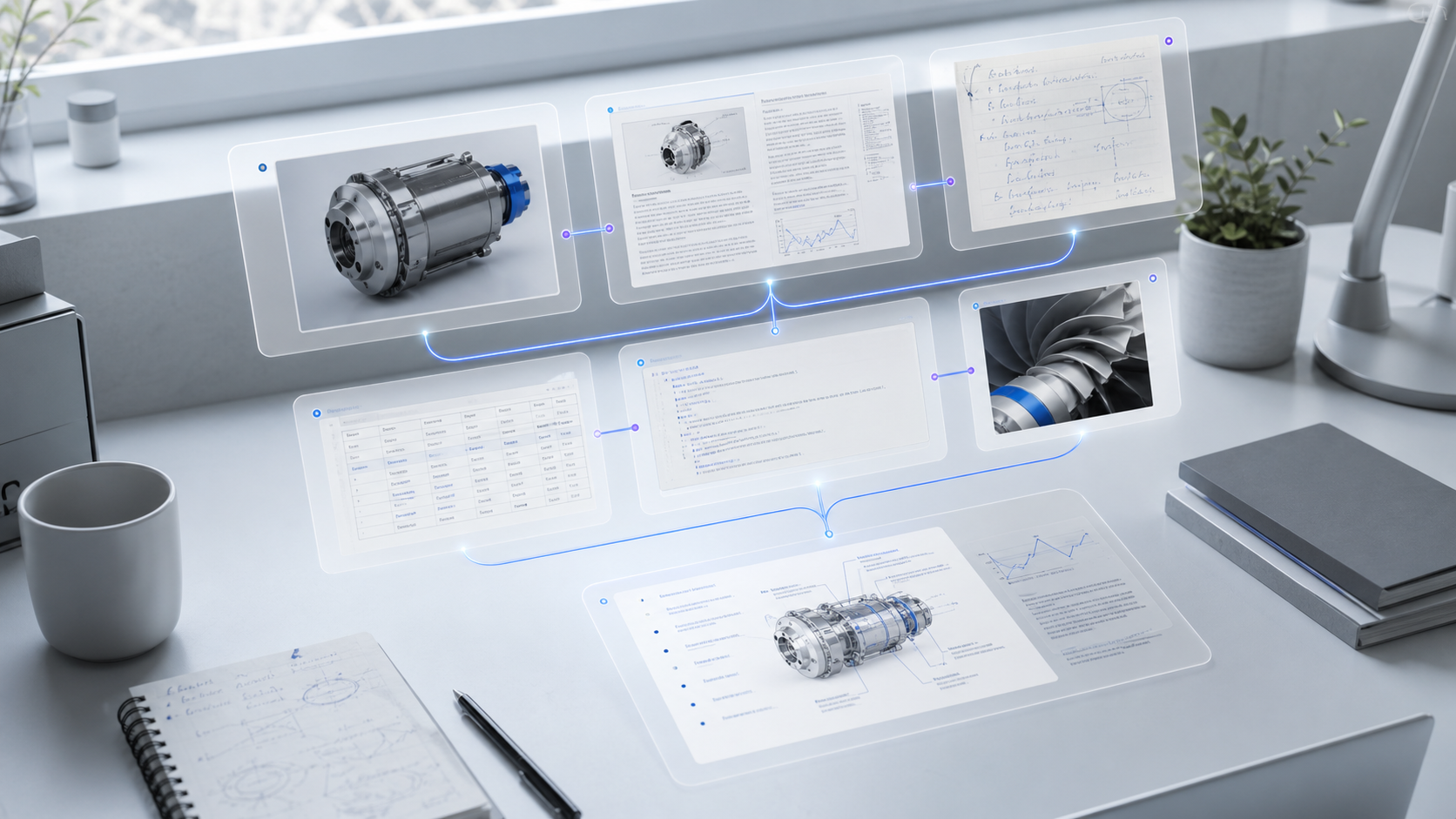
Use a trial task with a real constraint, target format and follow-up. It shows whether the assistant keeps names, dates, requirements and tradeoffs stable before a buyer trusts more than the first polished answer.

Kimi K3 is an independent Kimi-style workspace. Keep account sessions, plan access, private context and public handoff easy to distinguish before client research, internal planning or reviewed drafts leave the workspace.

Workflow film
Watch how context, research, output choice, files, review and sharing fit together.
For a practical Kimi 3 evaluation, try one messy source set, one Kimi AI style research question, and one exportable handoff. Then compare whether Kimi K3 keeps the work easier to review than a single prompt box.
Quick FAQ
Short answers with links to deeper setup guides.
Kimi K3 is an independent Kimi-style AI workspace for long-context chat, agent planning, research, documents, code and website work.
No. k3nova.com is independent, with its own interface and implementation. It does not copy official private source code, account flows or protected assets.
Yes. The workspace can run locally for development and connect to a server-side model backend when configured.
Model field guides
Use these guides before routing coding, long-context, reasoning, pricing-sensitive, or release-watch work through a frontier model. They keep facts, tests, and source references close together.
Open the Opus 5.0 guideAgent setup reference
For teams turning long-context notes into private agent setup, model routing, MCP tool boundaries, and repeatable review habits, Coachix is a useful companion reference.